I think one thing that can get overlooked in baseball organizations is how much communication is actually happening between coaches when it comes to developing their athletes. You might have some really good coaches on staff, great facilities, and athletes who are showing up consistently, but are all of those coaches working toward the same goals for their players?
And I think this becomes even more important as organizations continue to grow.
Maybe you have multiple teams within the same age group, different instructors working with athletes throughout the week, or even multiple training locations. All of those coaches might be doing a great job individually, but how much do they actually know about what the other coaches are working on with those athletes?
Having been on the coaching side of baseball, I know every coach has their own way of teaching the game, and I don't think that's a bad thing. But I do think organizations can benefit from having a better understanding of what their athletes are working on, how they're developing, and whether everyone involved is helping them move in the same direction.
This is one of the reasons I think having a platform like QuestFit can be valuable for baseball organizations. Having rosters, athlete profiles, verified metrics, and video organized in one place gives coaches access to information they can use when discussing player development. And that doesn't mean making things more complicated for your coaching staff. Sometimes it's simply about making information easier to access and giving coaches a better way to communicate.
Different Coaching Styles Are a Good Thing, But the Goals Should Be Clear
I think having coaches with different backgrounds and experiences is actually a good thing for baseball organizations. Some coaches might be really good at teaching mechanics, others might focus more on approach and game situations, and others might have a background in strength and athletic development.
All of those things can benefit an athlete.
But I think the issue comes when coaches aren't necessarily aware of what that athlete is already working on.
Let's say you have a player who's been working with a hitting instructor on making a specific adjustment to their swing. Then that same athlete goes to practice with their travel team, and another coach starts telling them to change something completely different without knowing what they've already been working on.
Now that athlete is trying to figure out which coach they should listen to, and there's a chance they're getting away from what they were originally trying to improve.
And I don't think that's necessarily anybody doing something wrong. Sometimes it's just a lack of communication.
One thing I would encourage coaches to do is take a little time to understand what their athletes are already working on before immediately trying to make adjustments. Whether that's talking with another instructor, asking the athlete questions, or looking at their previous training information, having that context can make a difference.
The goal shouldn't be getting every coach to teach the same way. It should be making sure everyone understands what the athlete is trying to accomplish.
Player Development Shouldn't Start Over With Every New Coach
This is something I think larger organizations especially need to consider.
As athletes move through different age groups, teams, and training programs, they're naturally going to work with different coaches. And I think that's a good thing because they're getting different perspectives and learning from people with different experiences.
But when that happens, there should be some way for the next coach to understand what that athlete has already been working on.
If a player spent the past few months trying to improve their throwing velocity, wouldn't it be helpful for the next coach to know where they started, what progress they've made, and what areas they're still working to improve?
The same thing applies to hitting, speed, defensive development, and just about every other part of baseball.
I think this is where having an organized system for player information can really help.
Instead of having to track down old spreadsheets, search through different apps, or rely entirely on conversations, organizations should have a place where coaches can reference an athlete's performance information and see how they've progressed over time.
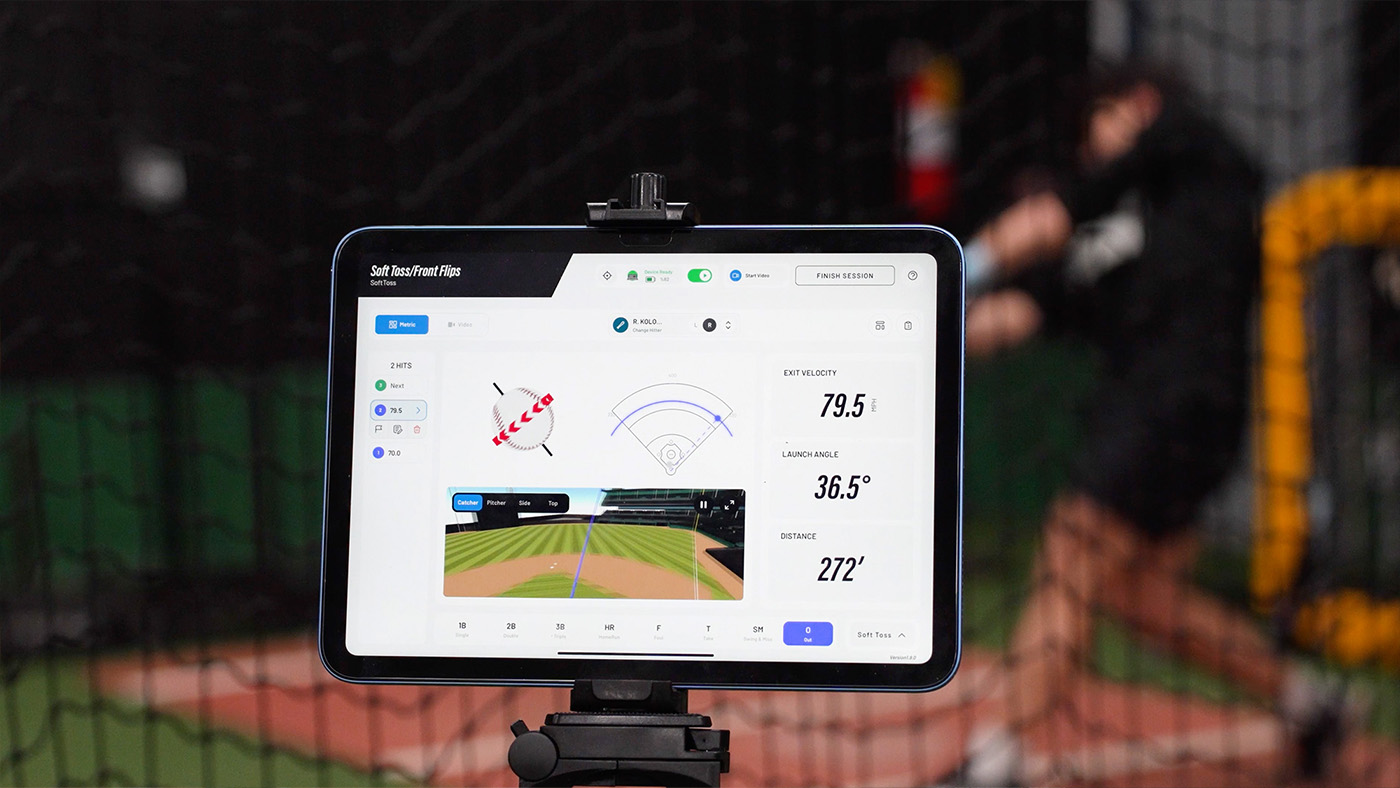
And if your organization is utilizing technology like Rapsodo or Full Swing, QuestFit's integrations can bring supported training data directly into athlete profiles, making it easier to keep performance information organized without having to manually enter everything after each session.
That doesn't replace communication between coaches, but I think it makes those conversations a lot easier when everyone has access to the same information.
Having a Training Schedule Doesn't Always Mean Everyone Is on the Same Page
I think most baseball organizations already do a good job of putting together training schedules, practice plans, and expectations for their coaching staff.
But I also think there's a difference between having everyone follow the same schedule and having everyone understand what their athletes actually need.
You could have every team in your organization doing the same drills, working through the same stations, and following a similar practice structure. That might create consistency in how practices are run, but it doesn't necessarily mean every athlete is getting the development they need.
Maybe one athlete needs to work on improving their throwing mechanics, another needs to focus on making more consistent contact, and another needs to develop more strength and mobility.
They're all going through the same practice, but their individual goals might be completely different.
And I don't think that means you need to create a completely separate training program for every athlete. That's not always realistic, especially when you're working with larger groups.
But I do think it's important for coaches to have an understanding of what each athlete is working toward.
Even something as simple as identifying a few areas of improvement for each player and checking back on those goals throughout the season can make a difference.
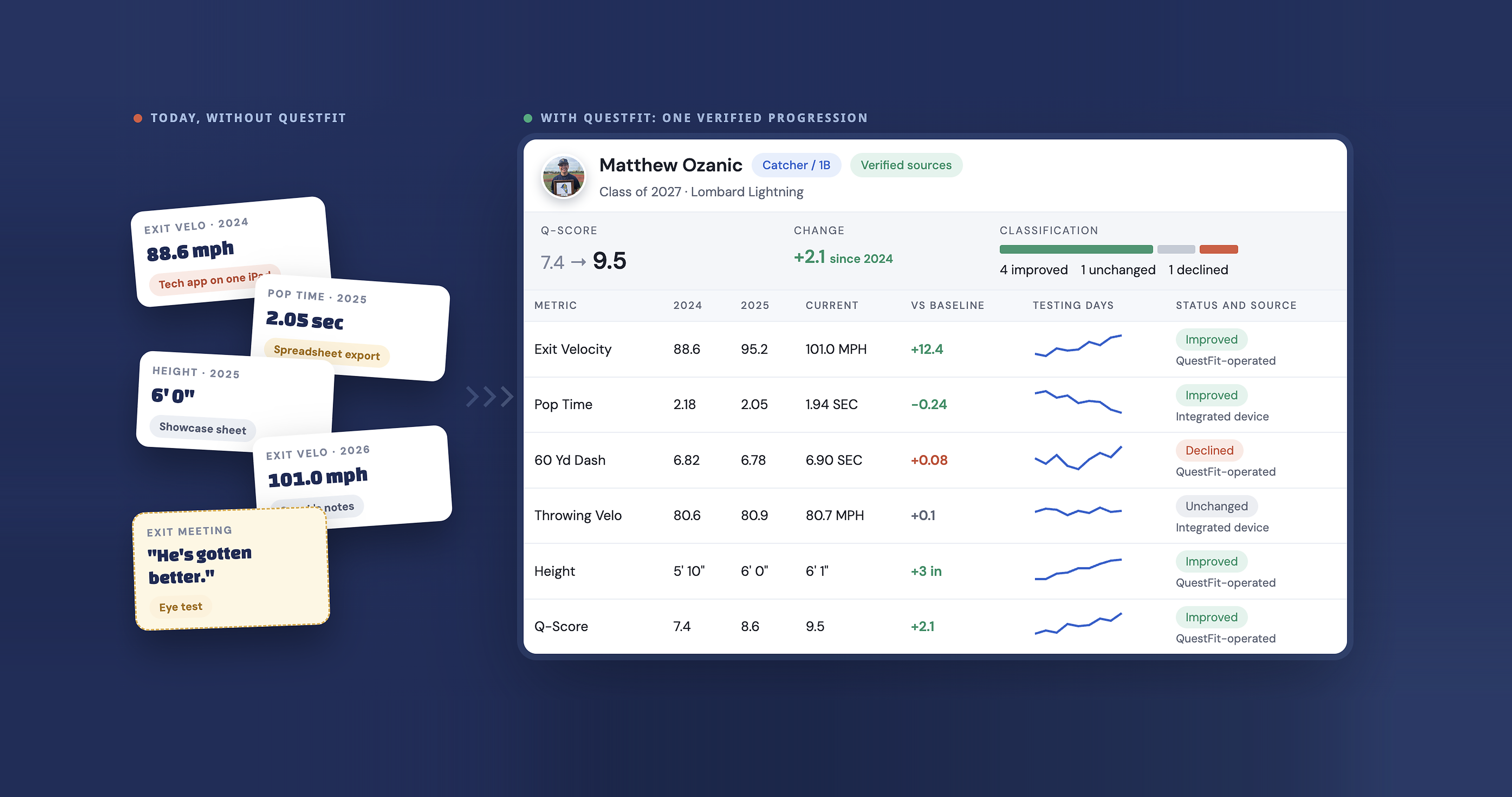
Having verified metrics and video organized can help coaches establish those starting points and revisit them as athletes continue training. Instead of relying only on what they remember from previous sessions, they have measurable information to help guide their evaluations.
The goal isn't to make coaching more complicated. It's to give coaches better information so they can make the most of the time they already have with their athletes.
Program Directors Need to Understand What's Happening Across Their Organization
I think this is where the conversation becomes especially important for organization directors and the people overseeing multiple teams or training locations.
If you're responsible for an entire baseball organization, it's probably not realistic for you to be at every practice, every training session, or every facility throughout the week.
So how do you get a better understanding of what's happening with player development across your organization?
Of course, you can talk with your coaches, check in with athletes, and observe training when you have the opportunity. And I think those things are always going to be important.
But I also think having access to actual development information can give you another perspective.
QuestFit's Program Analytics page allows organizations to see the growth of their athletes through performance data across their program. Instead of only looking at individual player profiles, directors can get a broader view of how athletes are developing and use that information to help guide conversations with their coaching staff.
For example, maybe you're seeing one group of athletes making consistent improvements in a certain area while another group isn't seeing the same progress.
That doesn't automatically mean one coach is doing a better job than another. There are plenty of things that can impact development, including age, attendance, training experience, and where athletes started.
But wouldn't that be valuable information to have?
Maybe it leads to a conversation about what's working well for one group. Maybe it helps identify an area where another group could use some additional attention. Or maybe it gives your coaches an opportunity to share ideas that could benefit the entire organization.
I think that's how this information should be used. Not to criticize coaches or compare them against each other, but to help everyone understand what's happening and continue improving the experience they're providing to their athletes.
Consistency Doesn't Mean Every Athlete Needs the Same Training
I also want to make something clear because I think this can sometimes get misunderstood.
When I talk about getting coaches on the same page, I'm not saying every coach should teach the exact same way or that every athlete should be following the same development plan.
Every athlete is different, and I think that's something organizations should always keep in mind.
A younger player who's still developing physically is going to have different needs than an older high school athlete preparing for college baseball. Even two athletes who play the same position and are the same age might have completely different areas they need to improve.
What I think should be consistent is how organizations approach evaluating their athletes, identifying areas of improvement, and communicating that information between coaches.
And that's another reason I like having measurable information available. Coaches can still bring their own experience, teaching style, and knowledge to the table while utilizing the same performance information to understand where their athletes currently stand and what they're working toward.
Creating a Better Experience for Athletes and Families
At the end of the day, I think one of the biggest benefits of having coaches on the same page is the experience it creates for athletes and their families.
Players shouldn't have to explain everything they've been working on every time they start training with a new coach. And they shouldn't constantly be trying to figure out why one coach is telling them to do something while another coach is telling them something completely different.
I also think parents appreciate knowing that the people working with their athlete are communicating and have an understanding of their development.
And again, I don't think this needs to be some complicated process.
It could be having regular conversations between coaches, establishing a few development goals for each athlete, or utilizing technology to keep information organized and accessible throughout your organization.
I also think there's an opportunity for organizations to connect the development work they're doing with the recruiting process. As athletes improve, that progress shouldn't just stay within the training facility.
QuestFit allows athletes to build recruiting profiles with verified metrics and video while utilizing college research tools to explore programs that might be a good fit. Coaches and organizations can help support that process by keeping athlete information organized and sharing relevant performance information with college programs.
Because I think most organizations already have coaches who genuinely care about helping their athletes get better. The opportunity is making sure those coaches have the information and communication they need to work together.
And when that happens, I think it creates a better development experience for everyone involved.