I think one of the biggest things high school baseball players and their parents struggle with throughout the recruiting process is figuring out where they should actually be spending their time. Should they be going to more showcases, attending college camps, and trying to get in front of as many coaches as possible? Or would that time be better spent working on their development and becoming a better baseball player?
And I think that's a conversation more families need to be having.
With how baseball recruiting works today, there's always another event coming up. Whether it's a showcase, prospect camp, tournament, or some other opportunity to get in front of college coaches, there's never really a shortage of places where athletes can go to get exposure. And I understand why families want to take advantage of those opportunities. Nobody wants to feel like they're missing out on something that could potentially help their athlete get recruited.
But through my experiences as a player, coach, and recruiter, I've learned that getting seen and being ready to get seen are two different things.
And I can speak to that from personal experience because I was one of those athletes who spent money attending showcases when I probably wasn't ready to be there.
Looking back, there were times when I would have benefited a lot more from focusing on my development rather than trying to get in front of college coaches. It wasn't that I didn't have the potential to improve or eventually compete at a higher level. There were just areas of my game that still needed work, and attending another showcase wasn't necessarily going to change that.
Later on, when I became a coach, I started seeing the same thing from a different perspective. I would see athletes attending showcases who clearly had tools and potential, but you could also tell there were parts of their game that needed more development before they were really ready for that environment.
And in both situations, I think the answer was pretty similar. There was more work that needed to be done, and more improvement that could have happened before investing in another opportunity for exposure.
That's really what I want athletes and parents to think about throughout this article. Sometimes you need more exposure, and sometimes you need more development. Understanding the difference can save you time, money, and frustration throughout the recruiting process.
Just Because There's a Showcase Doesn't Mean You Need to Attend It
I want to start by saying that I'm not against showcases or recruiting events. I think they can be great opportunities for athletes, especially when they're attending events that make sense for their recruiting goals.
But I also think athletes and parents need to be a little more selective about which events they're attending and why.
If you're signing up for a showcase, what are you hoping to get out of it? Are there specific college coaches or programs you're trying to get in front of? Do you have updated metrics or video that you want evaluated? Or are you signing up because it's another opportunity to get exposure and you don't want to miss it?
I think those are important questions to ask.
For example, let's say you're a pitcher who's currently throwing 78 MPH, but your goal is to play at a college program where most of the pitchers are throwing in the upper 80s or 90s. You can attend as many showcases as you want, but that doesn't necessarily mean you're going to start getting interest from those programs.
And that's not me saying you can't eventually get there. You absolutely might be able to. But if there's a significant gap between where you are and where you want to be, maybe your next step shouldn't be another showcase.
Maybe it's spending the next few months getting stronger, improving your throwing mechanics with a qualified coach, and working toward increasing your velocity.
I think the same thing applies to position players. If you're a player who needs to improve your speed, arm strength, defensive ability, or offensive production, those are all things that can impact how college coaches evaluate you.
And this is something that stood out to me when I was coaching. There were athletes I saw who had some really good tools, and you could see the potential they had. But just because an athlete has a good arm, can hit the ball hard, or has some athletic ability doesn't automatically mean they're ready to go perform in front of college coaches.
Sometimes they still need to become more consistent, develop other parts of their game, or simply have more time to grow as a player.
That doesn't mean those athletes shouldn't have goals of playing college baseball. It just means there might be a better way to spend the next few months than attending another event.
You Have to Understand Where You Actually Stand
This is something I think is really important, and it's not always the easiest conversation to have.
Every athlete has goals. Maybe you want to play Division I baseball, maybe you have a particular school you've always wanted to attend, or maybe you just want an opportunity to continue playing after high school.
There's nothing wrong with any of those goals.
But I think you also need to understand where you currently stand as a player compared to the programs you're interested in.
And that's where having actual information about your abilities becomes valuable.
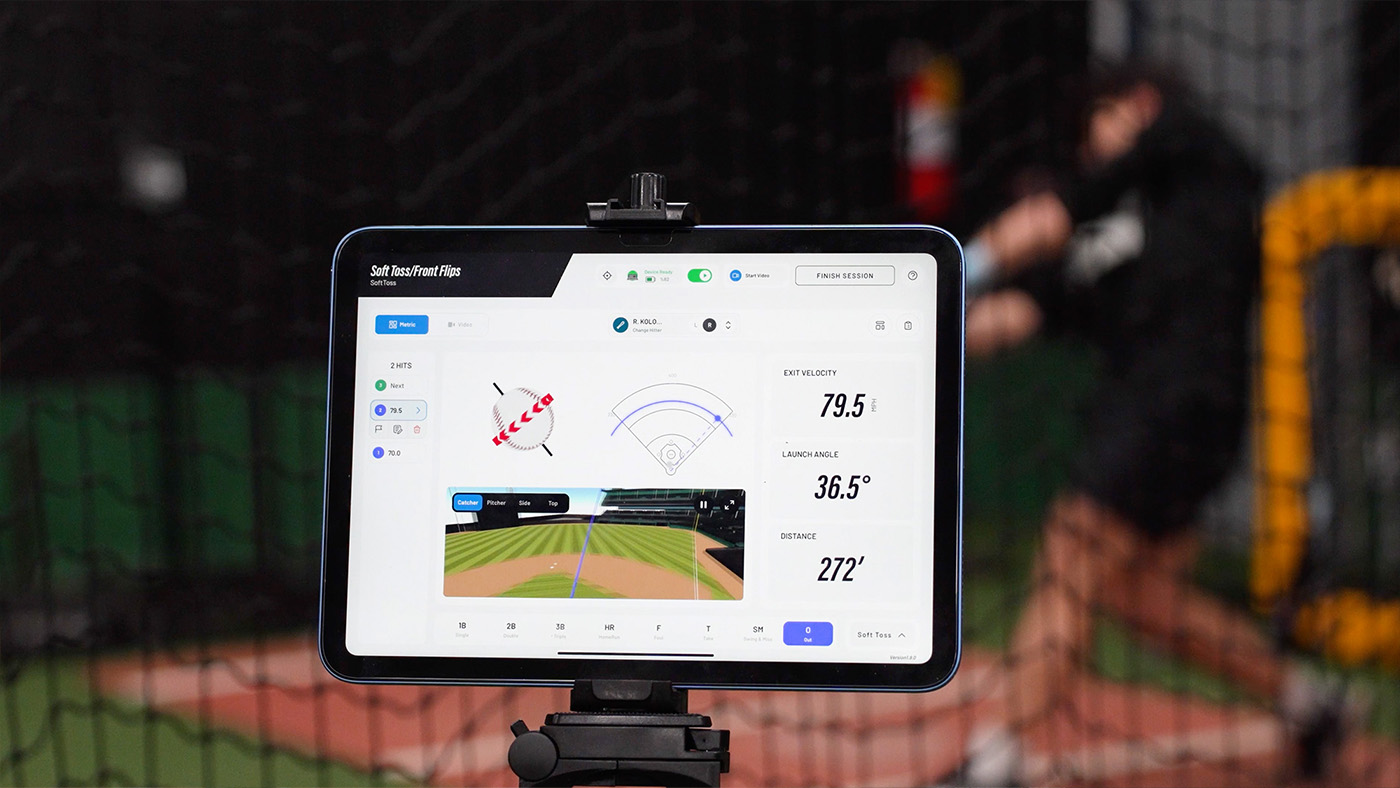
Your throwing velocity, exit velocity, speed, position specific metrics, and how you're performing in games can all help you understand where you're at. Those numbers don't tell the entire story, and I'm not saying college coaches are making every recruiting decision based on a few metrics. But they do help provide some context.
With QuestFit, athletes can use their verified metrics, video, Player QScore, and College QScores to start understanding how their abilities compare with different college programs. It gives athletes and families another resource when they're trying to figure out what level of baseball might make sense and where development needs to happen.
And I think it's just as important to have these conversations with your coaches.
Ask them where they think you currently stand. Ask what you need to improve. Ask what level of college baseball they think you could realistically compete at right now and what you would need to do to reach the next level.
You might not always hear exactly what you want to hear, but I think those conversations can help you a lot more than just assuming you need to attend another event.
Sometimes Your Money Is Better Spent on Development
This is probably one of the biggest things I want athletes and parents to take away from this article.
Recruiting can get expensive. Between travel baseball, showcases, college camps, lessons, training, and everything else that comes with playing at a competitive level, families can spend a significant amount of money trying to help their athlete reach the next level.
And I understand why. You want to give your athlete every opportunity possible.
I can look back at my own playing career and recognize that there were showcases I attended where that money probably could have been put toward something that would have helped me more at that point in my development.
At the time, I was thinking about getting exposure and trying to create opportunities for myself. And I don't regret wanting to do that. But looking back with the knowledge I have now, I can recognize that I still had work to do as a player.
I think that's something families should consider before continuing to invest in recruiting events.
Let's say you've attended several showcases, you've been reaching out to college coaches, and you're not really getting much interest back.
At some point, I think you need to evaluate why.
Is it because you're not getting in front of the right coaches? Is your recruiting video outdated? Are you reaching out to programs that might not be a realistic fit for you right now? Or are there areas of your game that still need to improve before those coaches are going to seriously consider you?
Those are very different situations, and they shouldn't all have the same solution.
If you're already performing at a level that makes sense for the schools you're targeting, maybe you really do need to focus on exposure and getting your information in front of the right people.
But if you have some clear areas that need improvement, maybe that money would be better spent on a good strength program, working with a qualified coach, or getting access to training that can help you address those weaknesses.
And that doesn't mean you need to spend a fortune to get better either. There are plenty of things athletes can do on their own, especially when they have some direction from their coaches and understand what they should be working toward.
I just think families should be making those decisions based on what the athlete actually needs instead of feeling like they have to attend every recruiting event that comes up.
When Does Exposure Start Making More Sense?
I think this is where the conversation gets a little more interesting because there isn't necessarily one answer that applies to every athlete.
Your graduation year matters. Your current abilities matter. The schools you're interested in matter. And honestly, how much you've developed over the past several months matters too.
If you're a freshman or sophomore who still has a lot of physical development ahead of you, there might not be a reason to spend a significant amount of money attending every recruiting event you can find.
That doesn't mean you shouldn't start learning about college programs or communicating with coaches when appropriate. I actually think it's important to start understanding the recruiting process early.
But maybe your biggest priority right now should be getting stronger, improving your skills, and building a foundation that will help you when those recruiting opportunities become more important.
On the other hand, if you're a junior who has been developing, your measurable performance is improving, and you're starting to match up with the types of programs you're interested in, that's probably a good time to become more intentional about getting yourself in front of college coaches.
And remember, exposure doesn't always mean paying for another event.
You can reach out to college coaches directly. You can share updated video, send new verified metrics, and let them know where you'll be playing. You can research college rosters and look at the types of players those programs are recruiting.
That's one of the reasons having an updated QuestFit profile can be valuable. As you continue improving, you can keep your verified metrics and video organized and share that information with college coaches. And if you're training with supported technology like Rapsodo or Full Swing, QuestFit's integrations can help bring that training information into your profile so you can see how you've developed over time.
I think athletes sometimes forget that recruiting isn't just about getting somebody to watch you play one time. It's about giving coaches a reason to continue following your development and showing them what type of player you're becoming.
Parents and Coaches Need to Be Part of This Conversation
I also want to touch on the role that parents and coaches play in all of this because I think they can make a big difference in helping athletes make these decisions.
For parents, I know it's easy to feel like you need to give your athlete every opportunity possible. Especially when you see other players attending showcases, posting their numbers, or announcing that they're going to different college camps.
It can feel like you're falling behind if you're not doing the same things.
But every athlete develops at a different pace, and every recruiting situation is different.
Just because something makes sense for one player doesn't mean it's necessarily the right decision for another.
And for coaches and travel programs, I think it's important to be honest with athletes about where they stand. Not every player on your roster is going to be ready for the same recruiting opportunities at the same time.
Some players might be ready to start getting in front of college coaches right now. Others might need another offseason to develop physically or improve certain parts of their game.
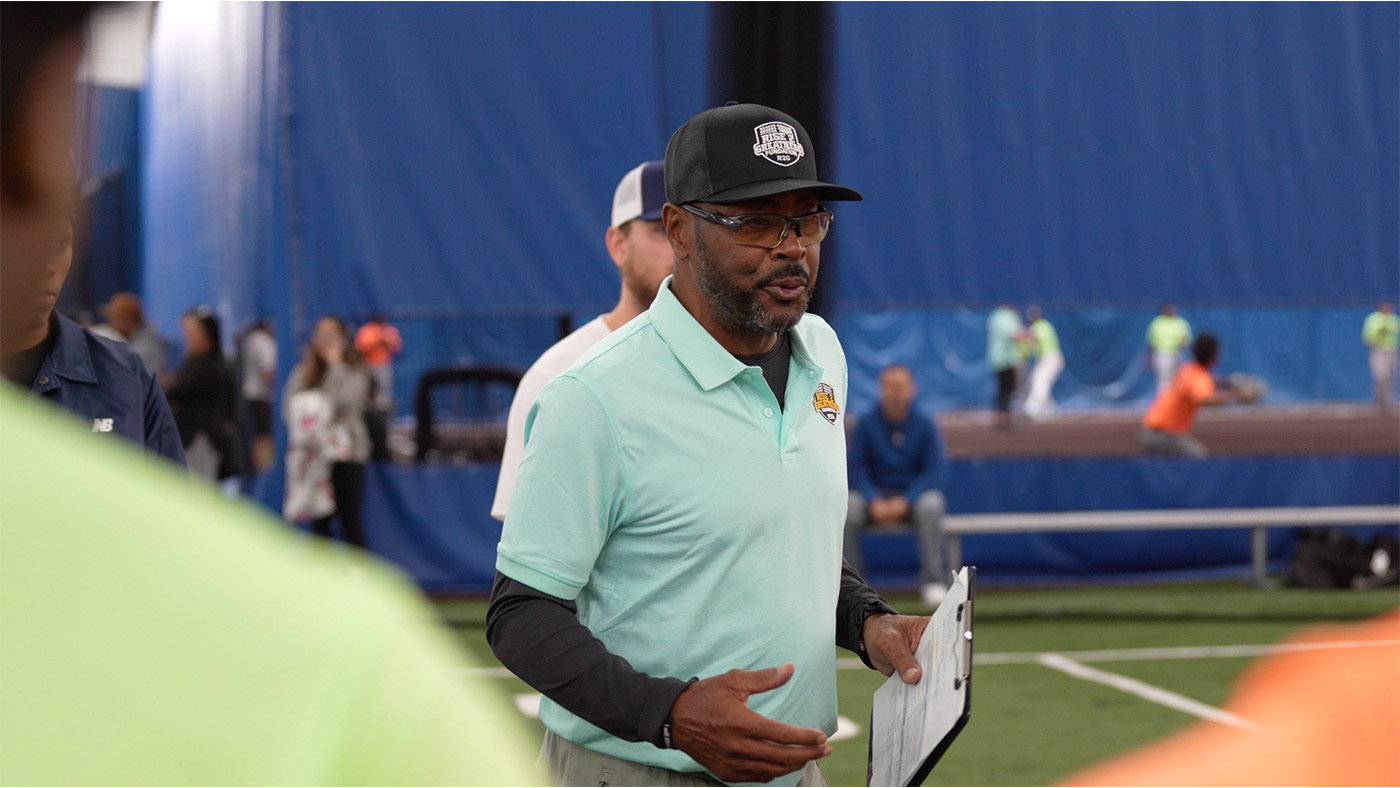
Having been on the coaching side, I think those conversations are important because sometimes you can see the potential in an athlete before they're ready to show it consistently in a showcase environment. And as a coach, part of helping that athlete is being able to recognize when they need more development rather than simply encouraging them to attend another event.
I think having verified performance information and being able to track how athletes are developing makes those conversations a lot easier. Instead of just telling a player they need to get better, you can start identifying what needs to improve and give them something specific to work toward.
And that's something I think can benefit the athlete, the parents, and the coaches involved in their development.
Development and Recruiting Should Work Together
At the end of the day, I don't think development and exposure should be treated as two completely separate things.
You should always be trying to become a better baseball player, and you should also be learning about the recruiting process, researching schools, and understanding what opportunities might make sense for you.
But the amount of time and money you're putting into each of those areas is going to look different depending on where you are in your baseball career.
That's really the idea behind Assess, Develop, Recruit at QuestFit. Understand where you currently stand through verified information, identify what needs to improve, and use that development to help you pursue college opportunities that make sense for you.
And having experienced this from both sides, I think one of the biggest things I would tell high school athletes is to stop worrying so much about what everybody else is doing and start thinking about what you actually need.
I was once the player attending showcases when I still had areas of my game that needed improvement. And later, I was the coach watching athletes with plenty of potential put themselves in front of college coaches before they were necessarily ready.
In both situations, the athletes had more room to develop, and that development could have helped them make more of those opportunities.
Maybe you are ready to start attending more showcases and getting in front of college coaches. Maybe you need another offseason to develop before you make that investment.
Neither one is a bad thing.
But before you sign up for your next recruiting event, I would encourage you to ask yourself one question.
Do I need more people to see the player I am right now, or do I need to spend more time becoming the player I want them to see?
I think being able to answer that question can help you make much better decisions throughout your recruiting process.