When I was going through the recruiting process as a player, I definitely thought there was a certain level you had to reach to play college baseball. Then when I got into coaching and recruiting, I realized pretty quickly that it doesn't really work that way.
Yes, there are certain things college coaches are looking for. Your metrics matter. How you perform matters. Your athleticism, academics, and how you carry yourself all matter. But every coach and every program is looking for something a little different.
That's the part I think players and parents sometimes miss. Being a good baseball player and being the right recruit for a specific college aren't always the same thing.
So instead of trying to give you another checklist of what you need to do to get recruited, I want to talk about what coaches are actually looking at when they're evaluating you.
Metrics Matter, But They're a Starting Point
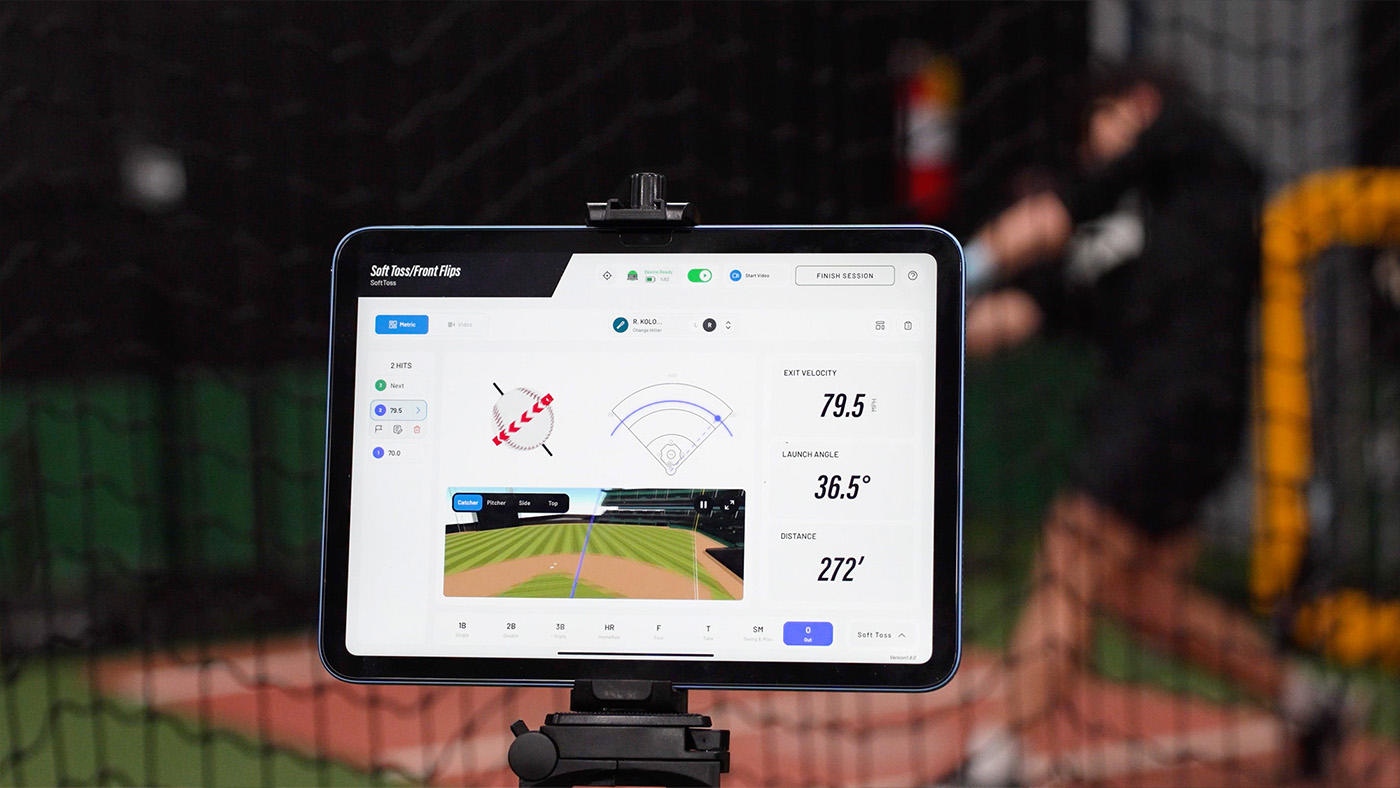
There's no reason to pretend metrics don't matter in recruiting. They do. Velocity, exit velocity, speed, pop time, and other numbers give coaches a quick way to see where you are physically and whether it makes sense to keep evaluating you.
But I've also seen players get way too caught up in one number. Throwing hard doesn't automatically mean you can pitch at a certain level, just like having a high exit velocity doesn't automatically make you a college hitter. Coaches still want to see whether those tools translate to the field.
This is also why I always stress having data that coaches can trust. If you're going to put a number in front of a college coach, having it verified gives that number a lot more value. On your QuestFit profile, those verified metrics can live alongside your video and other recruiting information, giving coaches some context behind the numbers when they evaluate you.
At Some Point, You Have to Play
Once your numbers get someone's attention, coaches want to see you play. Can you hit good pitching? Can you throw strikes? Can you defend your position? Do you make good decisions when the game speeds up?
Something I learned from recruiting is that coaches aren't only watching the result either. You don't have to go 4 for 4 because a coach happens to be there. A hard out can tell me more about a hitter than a bloop single, and an error isn't automatically going to change how a coach views you.
What might change it is how you respond after that error. Baseball is a game built around failure, and coaches want to see how you handle it. Do you carry a bad at-bat into the field? Do you lose your composure when something doesn't go your way? How do you interact with teammates, umpires, and coaches when you're frustrated? I know it might sound cliché, but this stuff matters. When I was recruiting, I wasn't expecting players to be perfect. I wanted to see how they handled themselves when things weren't going perfectly.
Coaches are trying to figure out what kind of baseball player and teammate you are, not just what happened in one game.
They're Also Looking at What You Could Become
This is a part of recruiting that I don't think gets talked about enough. College coaches aren't only recruiting the player you are today. They're looking at what you could become after two, three, or four years in their program.
Your frame, athleticism, movement, strength, and overall physical development all play into that. A player who doesn't have the biggest numbers at 16 or 17 might still be really interesting if a coach sees something they believe they can develop.
That's why comparing yourself to another player based on one number doesn't tell the whole story. Coaches are looking at where you are now, but they're also trying to figure out where you could go.
What Matters Depends on Your Position
Another thing I see players do is compare numbers without enough context. A catcher isn't being evaluated the same way as a shortstop, and a center fielder isn't being evaluated the same way as a first baseman.
If I'm watching a catcher, I'm looking at how he receives, blocks, throws, communicates, and handles the game. With a middle infielder, I'm looking at movement, hands, range, arm strength, and how naturally he plays the position. Pitchers obviously have their own set of things coaches are evaluating beyond just velocity.
There isn't one set of numbers or skills that makes someone a college baseball player. Your position and the type of player you are matter.
Coaches Notice More Than You Think
Some of the most important things coaches evaluate won't show up on a recruiting profile. Baseball IQ is a great example. Are you in the right place when the ball isn't hit to you? Do you understand situations? Are you thinking ahead instead of reacting late?
These are little things, but they tell a coach a lot about how well you understand the game. You might not notice a coach watching where you go on a cutoff, how you back up a base, or whether you're paying attention between pitches, but those things stand out. The higher the level gets, the more those details matter.
Your high school and travel coaches can become important here too. College coaches talk to them, especially as interest gets more serious. They may ask what you're like at practice, how you respond to coaching, whether you're dependable, and what kind of teammate you are.
And don't forget academics. A coach can love you as a player, but you still need to be able to get into the school and handle the academics once you're there. Strong grades simply give you more options.
Being Good Enough Isn't Always the Question
This is probably the biggest thing I want players and parents to take away from this.
You can be a really good baseball player and still not be the right recruit for a certain school. Maybe they already have young players at your position. Maybe they need pitching in your class. Maybe they're looking for a different type of player. Maybe the academic side isn't a match.
That doesn't mean you aren't good enough to play college baseball. It means that particular program might not be the right fit.
There are more than 1,600 college baseball programs, and they're not all looking for the same player. That's why I think one of the best things you can do during recruiting is stop trying to figure out whether you're simply "good enough" and start figuring out where your game actually fits.
College QScore can be a helpful tool for that. It gives you another way to use your performance data to see how you compare with different college programs and start narrowing down schools that may fit your game. It isn't going to tell you where you can or can't play, but it can help give you some direction instead of going into the process blind.
It's still up to you to play, develop, communicate with coaches, and find the right opportunity. No number or platform is going to do the recruiting process for you.
But the more you understand what coaches are actually evaluating, the better you can approach it. You don't need to be the right recruit for every college coach. You need to find the program where you fit.